
An ancient Chinese business strategist made a surprise appearance at the spring High Point Market. So did a wise Roman military writer. I heard their voices in mattress showrooms, although I didn’t realize it at the time.
One of the great things about markets is the unexpected insights they can provide. In the hustle and bustle of market, with quick conversations in hallways, on the streets, in showrooms and at parties, flashes of inspiration can suddenly emerge.
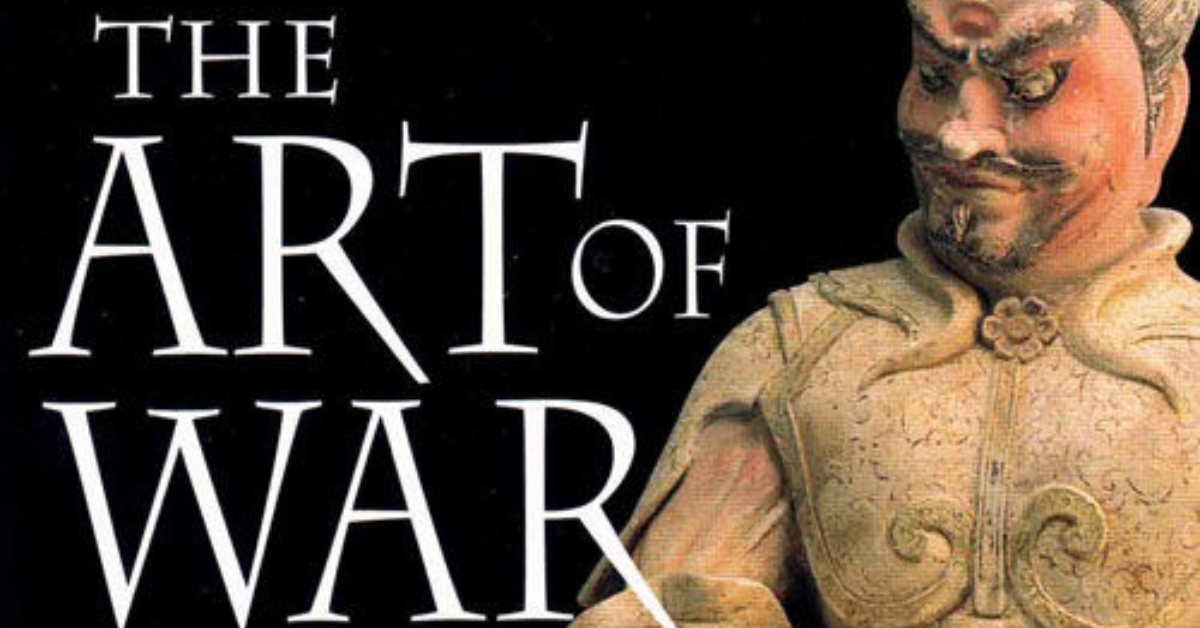
That was the case at the Home News Now party that we hosted at the High Point Market. Amid the rounds of hors d’oeuvres and catch-up conversations with industry friends, I got some wise counsel from Ashley Chairman Ron Wanek, one of the most respected executives in the industry and someone I’ve known for years. We were talking about the challenging business climate that the industry finds itself in these days. He pointed me to an ancient source of wisdom: “The Art of War.”
I admit that I haven’t studied that classic treatise in some time, but my refresher study quickly revealed that Sun Tzu’s work still has much to teach us.
ChatGPT told me that The Art of War remains popular “because it speaks to something broader than warfare: competition, decision-making and human behavior under pressure. Its ideas are adaptable, concise and surprisingly modern despite being about 2,500 years old.”
Some of those ideas include:
+“Know your enemy and know yourself.”
+“The supreme art of war is to subdue the enemy without fighting.”
+“In the midst of chaos, there is also opportunity.”
All of those maxims offer wisdom for marketeers today. I hear many execs say they are going to focus on their own business these days and not worry about what the competition is doing, but Sun Tzu suggests it is critical to know what your competitors are doing. How do you win without fighting? By changing the nature of the battlefield, or by fighting on a different battleground altogether. If your competitors are waging a price battle, you can win with a better message.
And I heard Sun Tzu’s teaching that chaos brings opportunity when I was making my rounds in High Point. Bill Hammer, Shifman president, expressed that very sentiment when I asked him how his company was responding to the challenging market. “Opportunity arises,” he said, “when there is stress in the market. That’s when you get the new business.”
One final thought on Sun Tzu. I asked ChatGPT what kind of mattress he might have slept on in the fifth century BC in China. While it noted that there are no historical records describing his bedding, it said he likely slept on woven mats made from reeds or straw or on thin padded pallets — with a lifetime warranty. (Yes, I made that last part up.)

In the Heritage Sleep showroom, Andrew Burt, vice president of sales, shared a famous saying that dates back 1,500 years: “If you want peace, prepare for war.” He also added the corollary: “If you want war, prepare for peace.”
While that sounds like it is straight out of Sun Tzu’s “The Art of War,” ChatGPT says it actually comes from a Roman writer’s book called “On Military Matters.” The writer was Publius Flavius Vegetius Renatus, usually called Vegetius, who lived in the late fourth century and the early fifth century AD — about 1,000 years after Sun Tzu.
Like his Chinese counterpart, Vegetius gives modern strategists much to consider. His most well-known saying teaches us the importance of thinking ahead. Preparing for war shows everyone you are ready to go to war, which might make the chances for peace more likely.
Ron Wanek, always looking ahead, cited the flip side of that maxim when we talked at market. “In war,” he said, “prepare for peace. When business is bad, prepare for when it is good.”
As we move into the key summer selling season, we should remember the teachings of wise strategists of the past to help us win the bedding battles that lie ahead.