

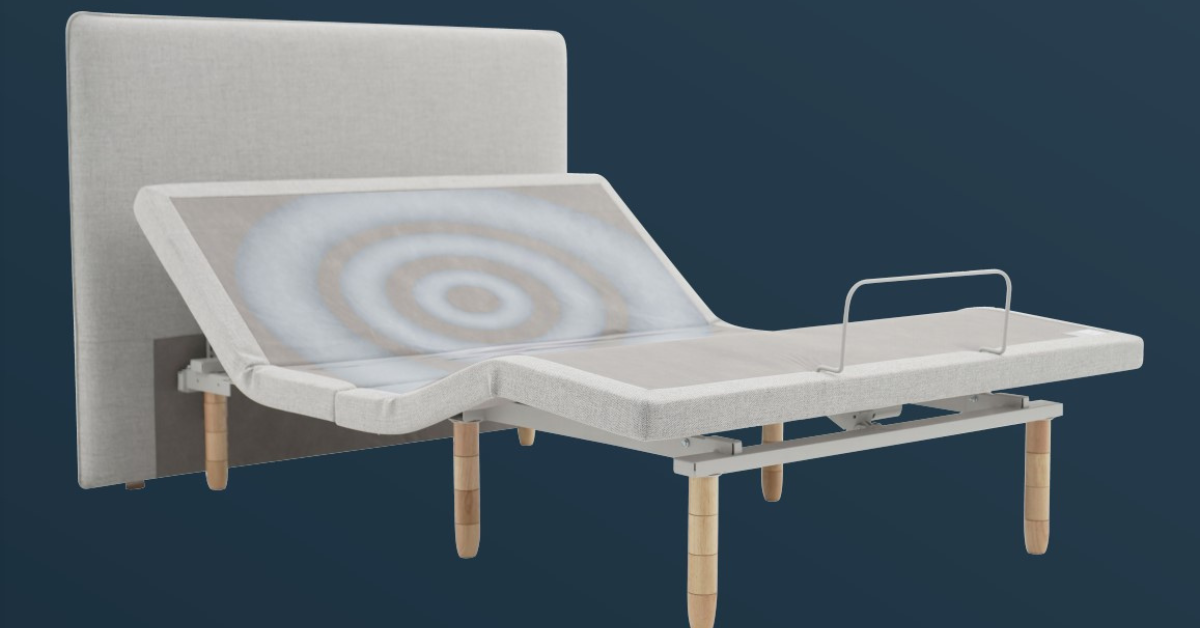
The mainstream arrival of artificial intelligence is revolutionizing almost every industry, and the bedding business is no exception. Earlier this year, I wrote about how sleep technologies are projected to become a $32 billion business in 2026, up from $11 billion in 2019, according to new research from global management consulting firm McKinsey & Co.
In fact, I believe this is one of the biggest trends to watch this year, particularly at this summer’s Las Vegas Market. Although I am personally sitting this one out, Bedding News Now Editor-in-Chief Alex Milstein and Editor-at-Large Dave Perry are on the ground covering the latest innovations in the bedding industry. If you’re there, be sure to say hello. And don’t miss Bedding News Now’s Best in Bedding event taking place from 4:30 to 6:30 p.m. on July 27.
As I follow the show from home, one launch that stood out to me is Ergomotion’s Sleep Assist app. The Santa Barbara, California-based company, best known for adjustable bases, is using AI to expand its products into a connected sleep technology ecosystem. The AI-powered platform offers personalized sleep reports, biometric insights, recommendations for better sleep and controls for its compatible smart and adjustable beds. No subscription is required to use the app, which will launch Aug. 1 on Apple’s App Store and in mid-August for Android in the Google Play Store.
Sleep Assist provides users with daily Sleep Scores with nightly, weekly and monthly views of key sleep indicators. The app also allows users to ask questions and receive answers based on their sleep reports.
When the app is connected to a compatible Ergomotion smart bed, Sleep Assist unlocks expanded features including automatic anti-snore intervention, relaxation presets and programmable sleep scheduling. According to a news release, the result is an integrated sleep ecosystem in which the bed and app work together to support more personalized and restorative rest.
For the initial launch, Sleep Assist will be compatible with select Ergomotion smart beds built on the company’s RIO Eco platform, which includes active pillow tilt, lumbar support and sonic massage.

“Sleep Assist represents the next step in Ergomotion’s evolution as a connected sleep technology leader,” said Gui Peres, CEO of Ergomotion. “By using AI to transform biometric and sleep data into personalized, easy-to-understand guidance — and pairing those insights with responsive smart-bed features — we are helping people better understand their sleep and take practical steps toward more restorative rest.”
The app will also support Ergomotion’s Legacy Venti Adjustable Smart Bed, which is scheduled to debut in the fall.
As I continue to follow the market from home, I’ll be keeping an eye on general trends. With Ergomotion’s entry into the AI-powered sleep products market, it’s clear that AI has shifted from buzzword to increasingly popular feature. Looking ahead, it will be interesting to see if AI-integrated sleep technology goes from nice-to-have to a must-have for consumers.