
Retailers spend lots of time analyzing foot traffic. Is it up, down or flat? How does it compare to the year before? Recently, I’ve heard from lots of retailers that foot traffic is mostly down, but the average ticket price is up. It’s a notable shift in consumer behavior, and retailers have been adjusting their expectations.
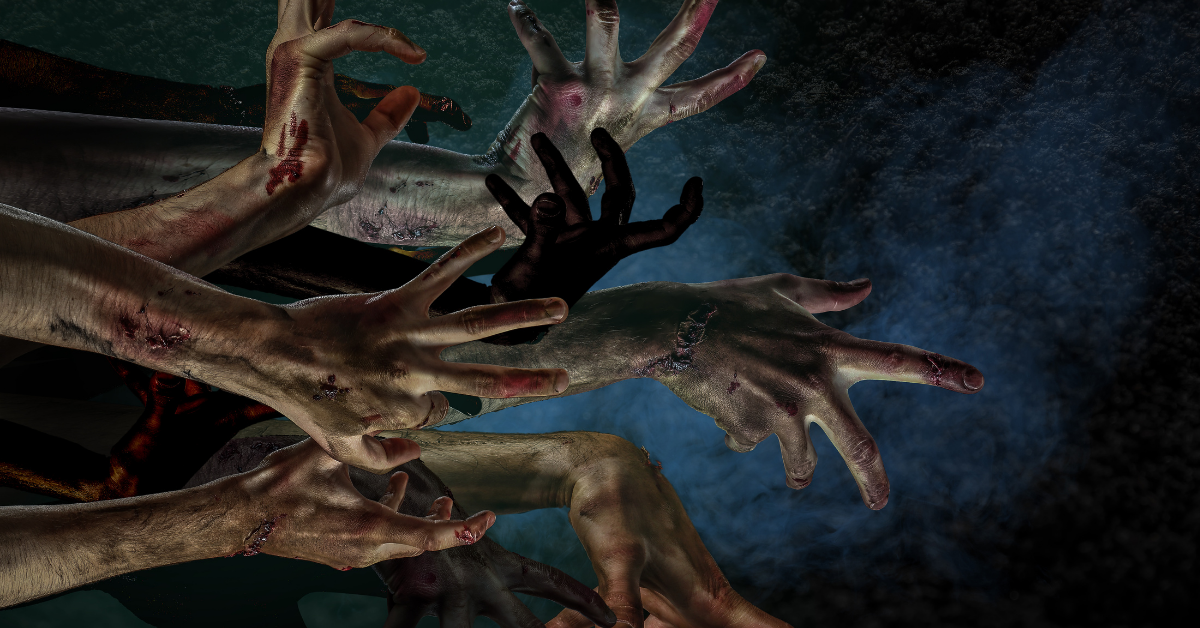
This summer, retailers should pay attention to another trend: the zombie summer shopper. Like zombies in movies that wander aimlessly, this is a shopper who isn’t necessarily on a mission. The weather is hot, and people are drifting through stores to escape the heat and maybe find some inspiration. They might not have a specific purchase in mind, but they’re open to making one if they get inspired or find something eye-catching.
The zombie summer shopper might spook retailers, but even this kind of customer represents a potential sale, and stores could still miss a good opportunity by having confusing displays, poorly placed merchandise or disengaged sales associates. Alone or together, these shortcomings could send shoppers back out the front door empty-handed.
I’ve also heard from retailers many times over that consumers still like seeing mattresses, pillows and other accessories in person. Even brands that debuted online (Saatva, Helix and Purple come to mind) have since expanded into brick-and-mortar stores. Amazon certainly sells lots of mattresses, but there are still plenty of consumers who prefer tactile shopping.
This is supported by Coresight Research’s third annual “The State of In-Store Retailing” report, which states that in-store browsing remains critical.
According to the company’s estimates, physical stores account for 75.9% of total retail sales in 2026. However, the report also revealed that 90% of retailers are struggling with in-store inefficiencies.
Retailers lose an average of 6.4% of gross sales because of inefficiencies, up from 4.5% in 2024. These losses represent $196.4 billion across major retail sectors. These statistics highlight the importance of optimizing the in-store experience for shoppers.
One way to do this is by curtailing inefficiencies with artificial intelligence-powered technologies. Store intelligence technologies can leverage real-time data to monitor inventory and address out-of-stock or mispriced items.
By ensuring displays are stocked, accurate and compelling, retailers could capture the attention of a zombie summer shopper. By extension, these technologies can also reduce labor hours, allowing staff to focus on other tasks, including customer service.
According to Coresight, 60% of retailers are currently investing in store intelligence technologies (up from 57% in 2025), with 37% of retailers planning to do so in the year ahead. Coresight also found that, when breaking down the data by company size, technology maturity is directly related to retailer revenue. Larger retailers are developing technology infrastructure more rapidly, and to stay competitive in the near future, smaller and midsize retailers will need to keep up.

Although Coresight’s data covers a range of retail categories, not just bedding, it is still noteworthy. The bedding industry is historically slower to adopt new technology than other retail categories, but other industries provide a bellwether of what’s to come.
Coresight stated that it views 2026 as an inflection point for store intelligence technologies, as retailers move beyond pilots into scaled development. According to the insights company, the technology decisions made this year will shape competitive positioning for years to come.
The central question is shifting from whether to scale to how to scale effectively. This will look different for every retailer. But regardless of size or needs, store intelligence is not a standalone solution. Rather, it is a supporting role in an ecosystem of efficiency, including excellent customer service.
By optimizing the in-store experience, bedding retailers have an opportunity to maximize seasonal foot traffic and turn the zombie summer shopper from a passive browser into an active buyer.