

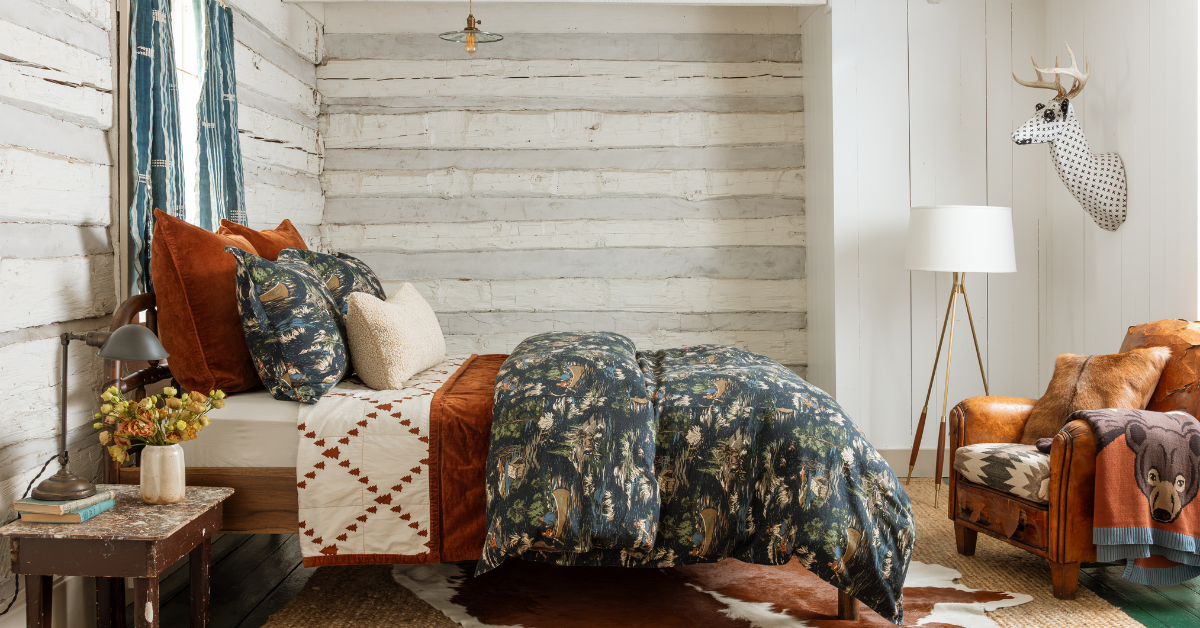
For years, bedding felt like the uncool sibling of the furnishings world. Most bedding accessories and mattresses were white, thread count was the go-to marketing strategy, and sleep wasn’t exactly a hot topic. For a long time, design-driven storytelling seemed to be for other furnishings and parts of the home, not bedding.
Things started to shift in the mid-2010s when brands like Brooklinen and Parachute launched and positioned bedding as a lifestyle. In 2016, two fashion industry veterans who founded Magniberg in Sweden embraced the concept of dressing your bed like yourself.
In the early 2020s, the pandemic ignited people’s focus on their bedrooms (and their homes in general), with lockdowns leading to redecorations.
Today, bedding is versatile, stylish and no longer overlooked. One of the clearest signs bedding has achieved more cultural capital is the caliber of collaborations that have launched in recent years. Copenhagen-based bedding brand Tekla, founded in 2017, has collaborated with French fashion brand Jacquemus and architect John Pawson, and in 2024, designer Thom Browne released a collection with luxury bedding manufacturer Frette at Milan Fashion Week.
Throughout the halls of High Point Market, bedding’s cool factor is on display.
“Bedding used to feel like an afterthought, but now people are treating it as another opportunity to show some personality,” said Max Humphrey, a Portland, Oregon-based interior designer and author. Humphrey recently designed his first bedding collection for HiEnd Accents’ Paseo Road brand, which launched at High Point Market.
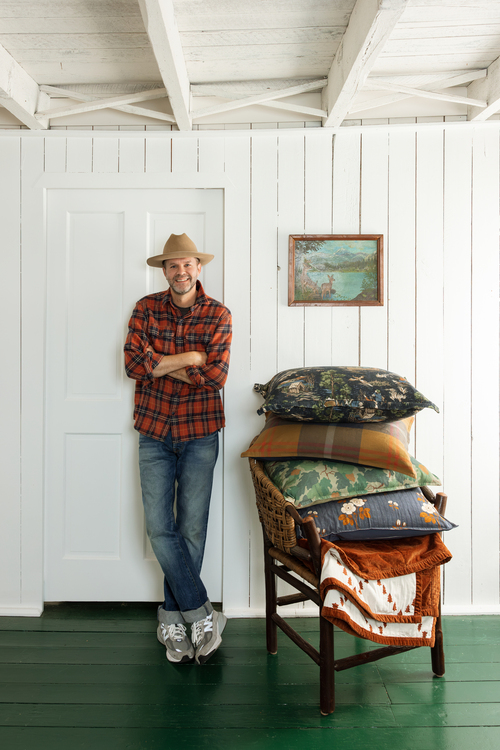
“I like the idea of a bed looking a little more collected, with different patterns, textures and colors mixed together — instead of everything coming from one matching set,” he added. “I’m all for bringing some of the same design thinking you use in the rest of the house into the bedroom.”
That philosophy is a throughline of his collection, which Paseo Road describes as “made to be mixed, not matched.” The winter 2026 collection features a camping toile, oversized plaid, oak leaves, wide-wale corduroy, sweater knits and folk florals.
“A bed doesn’t have to look like a hotel bed to look good, and I think that’s part of the bigger shift we’re seeing,” Humphrey added.
“Bedrooms are also a great place to really lean into a theme,” Humphrey continued. “They’re private spaces, so you can have a little more fun and not worry about whether the room matches the rest of the house. You can sleep in a ‘national park lodge’ even if you live in the middle of the city, or turn your bedroom into an English country cottage with floral bedding and a stack of mismatched pillows. Bedding is one of the easiest ways to create that whole mood without redecorating the entire room.”

Humphrey’s collection is part of a broader movement to bring more design perspectives to the bedding category, from layered textures and patterns to high-fashion aesthetics.
Also at High Point Market, Judith Leiber Couture — known for crystal-encrusted evening clutches — is launching a collaboration with luxury linen and bedding company Ann Gish. Although details are sparse, the High Point Market authority website describes the collection as bringing Leiber’s “world of iconic design, artistry and luxury into the bedroom.”
Beyond brand-name collaborations, customization is another way bedding companies are tapping into designer creativity. Earlier this year, at April High Point Market, Barrett Bergmann Home launched a custom bedding program that allows designers to choose from more than 400 curated fabrics. The program launched with four interior designers (Parker Bowie Larson, Lisa and Everick Brown, Kim Radovich and Traci Connell) to showcase its versatility.
The bedding industry is offering consumers more ways than ever to express their personal style. For retailers, that creates an opportunity to position the category as a purchase with both form and function and gives shoppers more reasons to think about the bedroom as a space worth their time, all the way down to the fitted sheet.