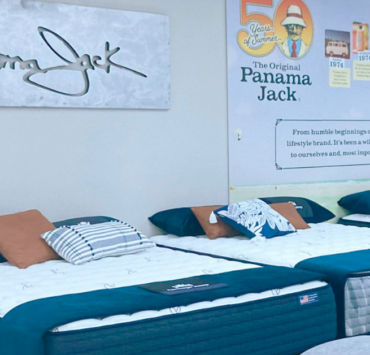

Having recently spent a week looking at mattresses in showrooms, talking to mattress folks, testing out new mattresses here and there, listening to sales pitches from savvy sales types, and generally immersing myself in Mattressville’s High Point home, I have been reminded of a critical fact.
It’s a great idea for consumers to buy mattresses in stores.
Mattresses are best experienced in person, which is the default mode for retailers who attend the markets in High Point and Las Vegas. Smart retailers wouldn’t dream of putting a new mattress line on their sales floors without first trying those beds out, sizing them up in person, and talking about those lines face to face with key executives. It should be the same for consumers.
Here, from my High Point conversations and my research, are three reasons consumers should buy a mattress in a store:
First, mattresses are health and comfort products that must be fitted to each individual body. “The feel is the deal” is a saying that mattress executives use to explain the demonstrable benefits of a mattress, the way it contours to and supports the body, perhaps providing a cooling aura, or a nice zero-gravity feel. Comfort is subjective; it cannot be experienced on a screen.
Consumers are more likely to find the mattress that best supports them by trying out a number of mattresses in-store. Remember, Goldilocks actually tried out three mattresses. She didn’t look at three mattresses online.
Second, mattresses are best sold with expert guidance. And all of the perky chatbots lurking on retail websites just reinforce the point that consumer communication is most powerful — and real — when it is face to face.
Mattresses aren’t as complicated as cars or jet engines, but there is a lot of technology in mattresses — and technology is a good word to use with consumers when talking about different types of mattresses. Let’s face it: Consumers know very little, if anything, about the dynamics of various spring designs, foam types and cooling technologies in covers. They also probably don’t know about the basic types of mattresses offered these days and refinements in those offerings that have come out in recent years.
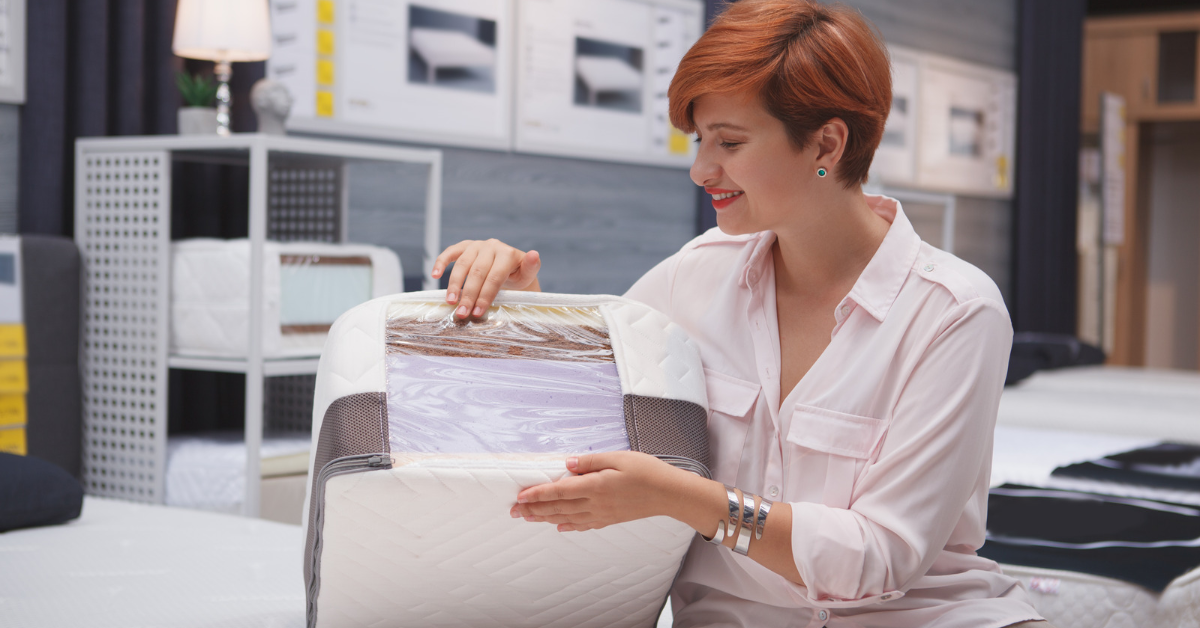
A retail sales associate can guide them through the process of finding the technology that best suits their body type and comfort preferences, eliminating the mystery and confusion of shopping for products in which most of the key features are out of sight.
And, crucially, RSAs can help consumers get comfortable on mattresses, to take test rests, and to experience the wonderful feeling a comfy mattress provides, one fitted perfectly for a side sleeper, or a back sleeper or a stomach sleeper. Again, a screen can’t do those things.
Third, consumers are more likely to spend more for a mattress that they buy in-store. And those higher prices are, generally speaking, going to buy them a higher-quality mattress. Or put another way, consumers are more willing to spend more for a mattress when they are able to fully experience the mattress and receive expert guidance on the benefits it provides.
While mattresses of all types and prices are available online, there are striking differences in how much consumers pay for mattresses online compared to how much they pay for mattresses bought in stores.
A 2023 TraQline study pegged the industry average for online mattress sales at $524, compared to $1,073 for a mattress bought in-store. It said the average Amazon sales ticket is $300.
The 2025 JD Power U.S. Mattress Satisfaction Study found that consumers who purchase a mattress online spend an average of $984, compared to the $1,242 that consumers spend on a mattress in-store.

The findings are clear. Consumers are spending less on online mattress purchases, and more on in-store mattress purchases.
That study, by the way, found that online mattress shoppers find greater value and satisfaction than in-store mattress buyers, reflecting the finding we’ve seen in some of our own research that mattress shoppers perceive that online retailers are offering them better values. But those online buyers are generally spending less on mattresses, sometimes quite a bit less, than on mattresses bought in-store. Quality matters. Are those sometimes disposable mattresses purchased online really values in the long run, or are they merely beds sold at value price points?
The JD Power study, looking at the value perception that accompanies online mattress sales, sees “an opportunity for brick-and-mortar retailers to better communicate the unique advantages and benefits of in-store shopping.”
That’s exactly the point I am making in this column.
While online mattress sellers have logistics costs and customer-acquisition costs to build into their business models, they are spared some important costs that brick-and-mortar retailers must incur. And those, notably, are the costs of operating mattress showrooms and staffing them with knowledgeable retail sales associates.
Let’s go back to the first two reasons to buy in-store on my list: mattress showrooms and RSAs. Yes, there are costs to provide those services. But they are eminently worth it, for they give the consumer a better shopping experience, a better mattress purchase and, ultimately, a happier and healthier life. That’s a win, win, win.
Attention brick-and-mortar retailers: You’ve got great stories to tell.