

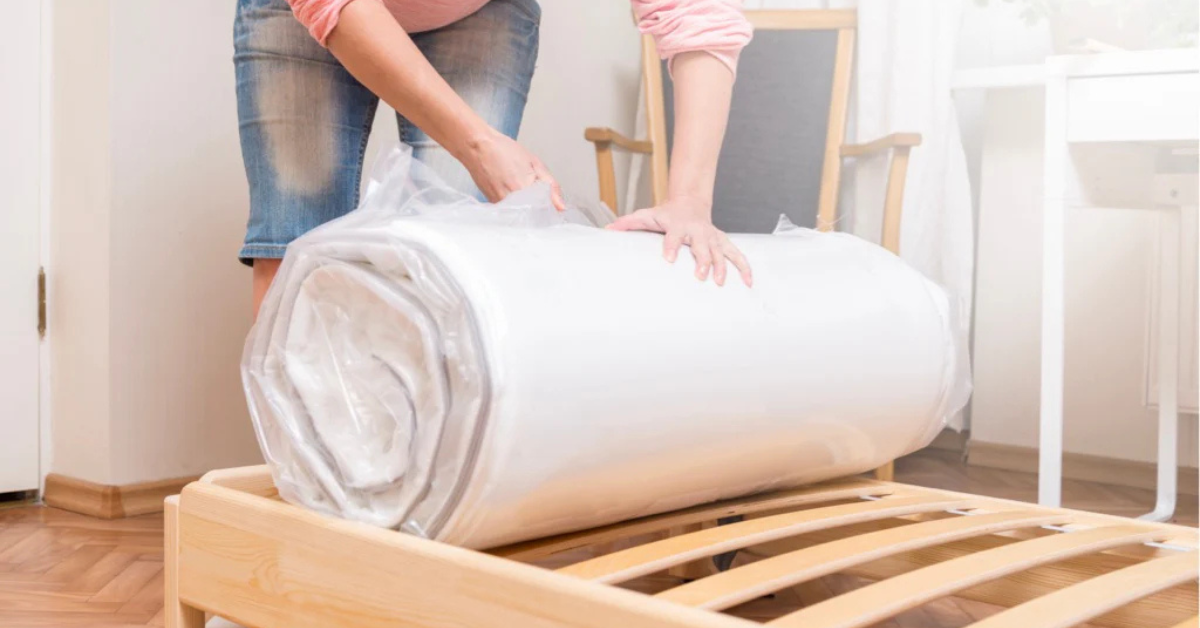

Although there was a time when all boxed beds were considered cheap or poorly built, much has changed.
Boxed beds have gone from an industry disruptor to an industry staple as more brick-and-mortar retailers work with online brands to help drive foot traffic.
According to our exclusive Consumers Insights Now research, 67% of shoppers buy in-store while 33% buy online. That speaks to the power of brick-and-mortar stores carrying online brands.
At the recent annual Therapedic sales meeting, the company presented interesting statistics showing the growth in boxed beds. In 2018, 18%-20% of sales were boxed beds. But today, that number has soared to 50%-65%.
And the boxed-bed market grew from $11.33 billion in 2025 to $12.03 billion in 2026, according to a study from 360iresearch.
There is no doubt that boxed beds have become an important part of the bedding industry. But speaking with a few leaders in the industry, Bedding News Now discovered that there is still a misconception among consumers that boxed beds are of poor quality.
“There’s a communication challenge,” says David Wolfe, cofounder of Tiami Mattress and Leesa. “Compressing a mattress is like prewashing a pair of jeans in that it actually gets the mattress more ready to sleep on. When people ask me if our luxury Tiami mattresses are shipped in a box, we counter with talking about the high-quality materials we use. Because their real question was, ‘Is this low quality?’”
Wolfe notes that boxed beds are more convenient and much cheaper for the customer when it comes to shipping.
John Merwin, CEO of 3Z Brands, says that there is a subset of consumers that still believes boxed beds are lower quality and less durable.
“The most common misconception is that mattresses must use cheaper materials to be compressed and rolled, which isn’t true, especially for us as we build our own components,’” he says. “Compression requires stronger, more resilient foams and coils that can handle stress and still return to their intended feel.”
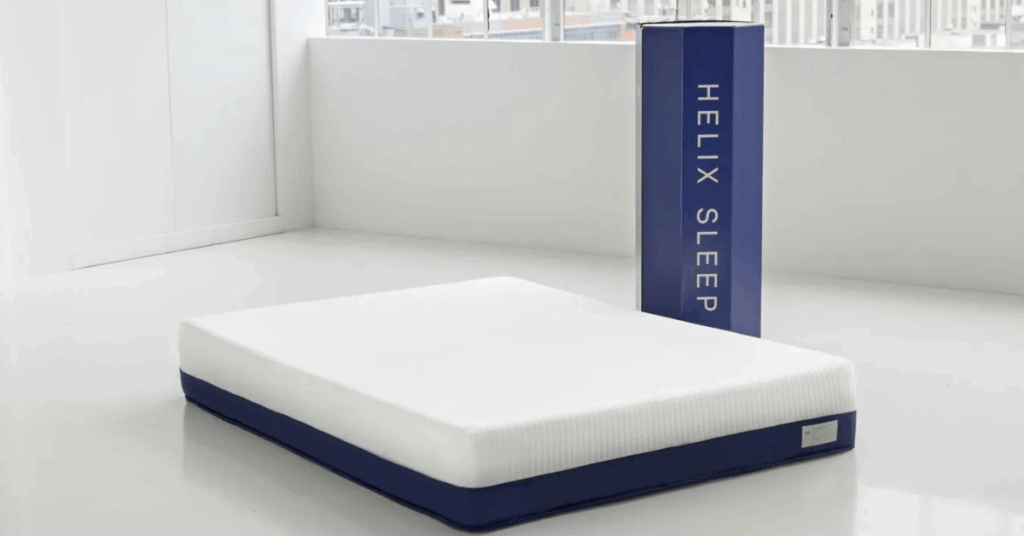
He says from his company’s perspective, consumers largely see buying a mattress online as a normal way to shop. While a significant percentage of mattress searches now begin online, mostly because it’s convenient, he believes consumers still separate the idea of boxed beds from what they see on a retail floor and may assume the two categories are built differently.
“Because we operate in the online and retail spaces, we are able to bring perspective from both sides,” he explains. “At 3Z, we build it all. Everything from accessible boxed beds to premium two-bed-in-a-box systems to high-end retail mattresses sold in retail stores. That experience shows us that consumers are not necessarily choosing between ‘boxed’ and ‘retail’ as much as they are choosing between products they trust and products they do not. That’s why we work so hard to meet the customers where they are. When shoppers understand how a mattress is made and who is behind it, boxed beds are viewed less as an alternative and more as a legitimate option alongside traditional retail mattresses.”
Jason Farruggia, senior retail general manager at Puffy, says that with change always comes resistance, and that what really matters about the mattress is the materials used, not how it’s shipped.
“We could take any mattress off anyone’s floor from any manufacturer and compress and put it in the box,” he says. “The difference is whether or not the materials that were put in that mattress during the design phase were selected to be something that can recover from being compressed and put in a box. Products that are designed from the standpoint of having to be compressed have to meet a higher threshold of materials in order to be able to rebound after being compressed like that. Another positive of something that’s compressed and put in the box is that the mattress is already broken in by the time it gets to the consumer.”

He adds that for the retailer, it’s less inventory space in the warehouse, and they can keep more inventory on hand when they’re limited on space. But the negative connotations can perpetuate misconceptions around compressed product.
“Some retailers still don’t understand it, but it’s a solution to a lot of problems, not just for the manufacturers, but also the retailer and the end customer,” Farruggia says. “And they’re the ones who are talking to the end customer. Oftentimes when consumers get to that retailer, they’re talked out of these products because of a negative view from the retailer themselves.”
No one brand or retailer will be able to change consumer misconception overnight. But as the industry embraces boxed beds — and more luxury beds are shipped in boxes — it will be important as an industry to continue educating retailers and consumers.