
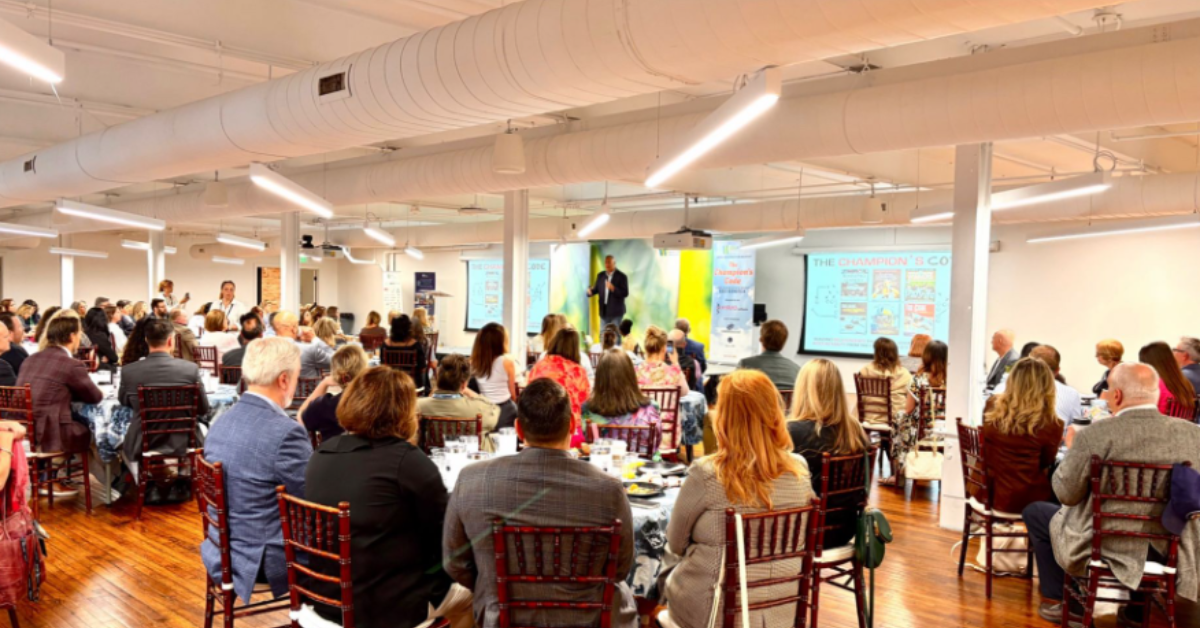
It started with stories of teams under pressure, of leaders tested in moments that mattered and of cultures built long before the spotlight hit.
Last week, at the WithIt breakfast, Ross Bernstein invited the audience inside the mindset of champions, exposing a truth the bedding industry can no longer ignore. In an industry where products are increasingly comparable and promotions are everywhere, your strongest performance indicator is how your team shows up every day.
“In professional sports the players, coaches and managers are all a part of what they call a shared vision,” said Bernstein. “When your team fails to perform — everyone gets fired. If they don’t win, the owners clean house and bring in a different team, a different approach and a different culture. They need to win; it’s all about the bottom line.”
The answer isn’t sitting on your showroom floor. It’s standing on it.
Culture is an operational system
“Culture” has become one of the most overused — and misunderstood — words in business. It’s often framed as something intangible. A vibe. A set of values on a wall. But high-performing teams operationalize it.
In his work studying elite sports organizations, Bernstein believes winning teams don’t leave culture to chance. They build it with intention, reinforce it through behavior and measure it through performance. Accountability isn’t situational. Trust isn’t assumed. Consistency isn’t optional.
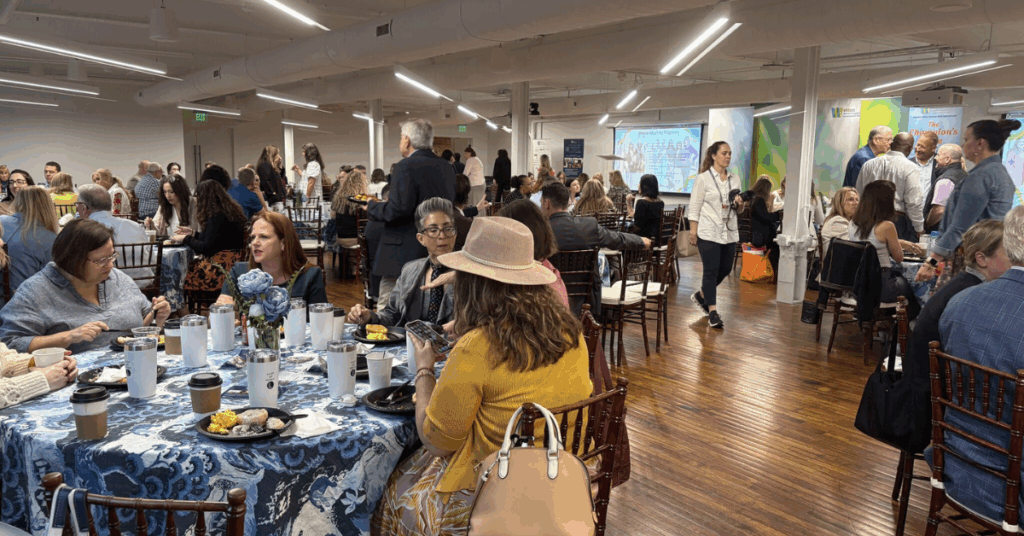
“In order to achieve peak performance, you need the right people sitting in the right seats on the right bus.” Bernstein pointed to what happens long before game day: “Who gets along well together? Who are the team cancers?”
He also emphasized that performance isn’t about stacking talent. “You can’t just put a bunch of all-stars together — you need the right role players to complement each other. … When you get players who enjoy assists more than goals … that’s when unselfish magic happens. That’s the key driver of performance.”
Where culture shows up: From theory to the floor
In the world of retail, culture is what shows up on a Tuesday afternoon when traffic is slow. It’s how a salesperson engages when the customer isn’t ready to buy. It’s how a team executes a promotion when leadership isn’t in the room. It’s a system of behaviors — repeated, reinforced and visible. Like any system, it produces outcomes.
You see it in the stores that outperform expectations with the same product mix. In the teams that convert at higher rates without relying on deeper discounts. In the organizations that create consistency across locations, while others struggle to replicate it.
“When it comes to teams, it usually comes down to leadership,” said Mark Quinn, senior vice president of sales and marketing at Shifman Mattress. “If it goes wrong, it’s usually because there isn’t clear communication on the strategy — the team members are working in silos.”
Retail reality: Where culture contributes — or doesn’t
Too often, retail performance gets attributed to traffic, pricing or product mix. And while those factors matter, they don’t explain why one store converts and another doesn’t. Culture does.
- It’s whether a customer is greeted within five seconds or left to wander.
- Whether the salesperson asks questions or jumps straight to price.
- Whether the team tells the same story, or five different versions of it.
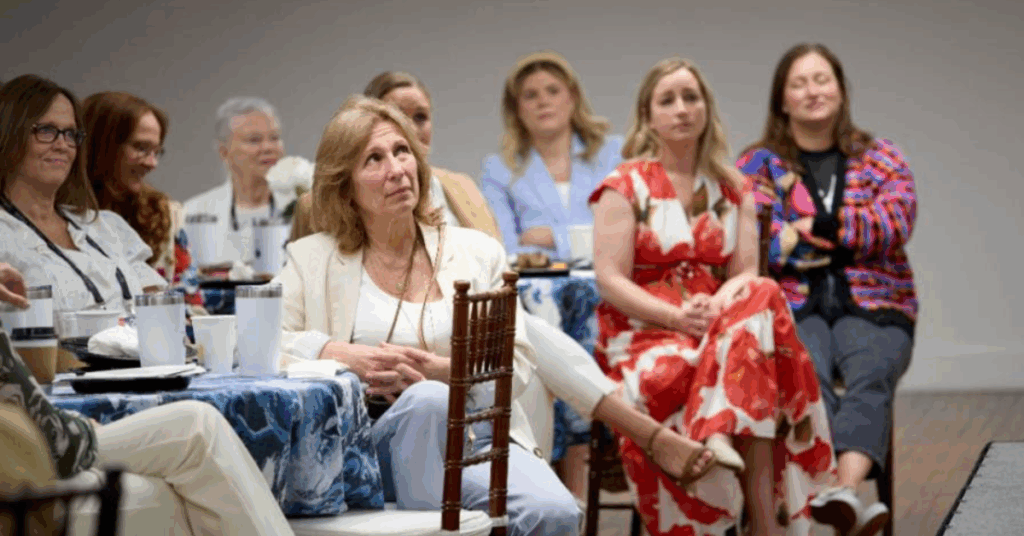
“When true human connection enters the equation, that’s when the magic happens,” Bernstein said. “Turns out energy can be transferred in order to help build confidence and morale.”
The good news? These aren’t abstract cultural issues — they’re operational choices.
Start here:
- Standardize the first five minutes of every customer interaction.
- Align on one clear product story per model — then reinforce it daily.
- Role-play real scenarios weekly, not just during onboarding.
- Set expectations for follow-through on every promotion, every time.
When culture is working, you don’t have to guess what’s happening on the floor. You can see it, hear it and measure it. And when it’s not, the results show up just as quickly.
“If your culture evolves around product, price and promotion strategy, that’s where your customers focus their attention,” Quinn said. “Teaching your team how to justify price based on the things you do, is the only way to build sustainable value over time. If everyone tells you that your prices are too high, then you have more work to do in building value.”
What winning teams do differently
High-performing teams rely on disciplined habits. They remove variability by building repeatable behaviors that show up every day, on every shift and with every customer.
In fact, Bernstein noted that even small, visible behaviors matter: “One interesting commonality you do see … is a lot of physical touches — high fives, fist bumps and big hugs. … That level of intimacy and love carries teams further. Players feel more safe, more selfless, more loved and willing to put their bodies on the line in order to win.”
Start here:
- Hire and coach for mindset, not just product knowledge. Product specs can be taught. Winning teams coach behaviors that reinforce curiosity, confidence and consistency.
- Define what “good” looks like. From greeting to close, top teams document, model and revisit winning plays — often.
- Practice in real conditions. The best teams institutionalize weekly role-play with live floor coaching and immediate feedback.
- Hold the line on consistency. Every customer, every time — consistency turns good days into predictable performance.
- Build accountability without blame. Clear expectations, measurable behaviors and fast feedback.
“A supportive, positive environment where team members can easily collaborate, test ideas, ask questions and work together helps fuel performance,” added Renee Loper-Boyd, chief marketing officer at THS Creative and past president of WithIt. “Remind team members the important role they play in success and express gratitude for that.”
Community as a catalyst
Culture is shaped, challenged and accelerated through connection. Organizations like WithIt create space for leaders to step outside their day-to-day operations and see what “good” looks like in other environments. That exposure matters because one of the fastest ways to improve performance is to see it done better — and bring it back.
Start here:
- Get your leaders in the room. Industry events are a performance tool, driving peer-to-peer conversations and better decision-making back in the business.
- Turn inspiration into action quickly. Within 48 hours of any event, identify one to two ideas worth testing and assign ownership.
- Share what you learn. Bring insights back to your team. Use them in meetings, training and coaching sessions. Make learning visible.
- Stay connected beyond the event. Follow up, build relationships and create a network you can tap into when challenges arise.
“We spend enormous energy on product development and pricing strategy, and both matter, but the industry consistently underinvests in developing its people,” said Jessica Norby, vice president of sales at Interlude Home and 2026 president of WithIt. “Sales training, onboarding, coaching and rep development are often treated as nice-to-haves rather than core strategy.”
The business case: Culture drives performance
At some point, this stops being a leadership conversation and becomes a business one. Why? Because culture shows up in the metrics that matter.
And those same dynamics apply directly to retail, Bernstein said. “Great bedding retailers have these same characteristics. When the sales team can connect with the delivery team, without any drama or fear of being called out if they screw up — that’s what strong culture looks like.”
- It impacts conversion rates — how teams turn traffic into sales.
- It influences average ticket — how confidently value is communicated.
- It drives employee retention — and the cost of constantly rebuilding teams.
And it shapes customer experience in ways that no promotion can replicate. “The reps who represent our brands are the front line of everything,” Norby said. “If they’re undertrained, disconnected from the brand story or unsupported in the field, even the best product at the right price will always underperform.”
Culture is often overlooked or not measured with the same rigor as product or pricing. And in today’s retail environment, overlooked opportunities are expensive.
Culture is a decision about how your team shows up, how your leaders lead and how consistently you execute when no one is watching. The winners in the next chapter of this industry won’t just have better products, they’ll have better teams behind them.




Julia,
Your article is 100% on target and hits where many organizations and industries have fallen asleep thinking their mission statement will produce success.
Culture will either ignite a success mindset or drag the anchor that runs your operation aground.
I’m saving and sharing your excellent article.
Thanks,
Jim Hunt