

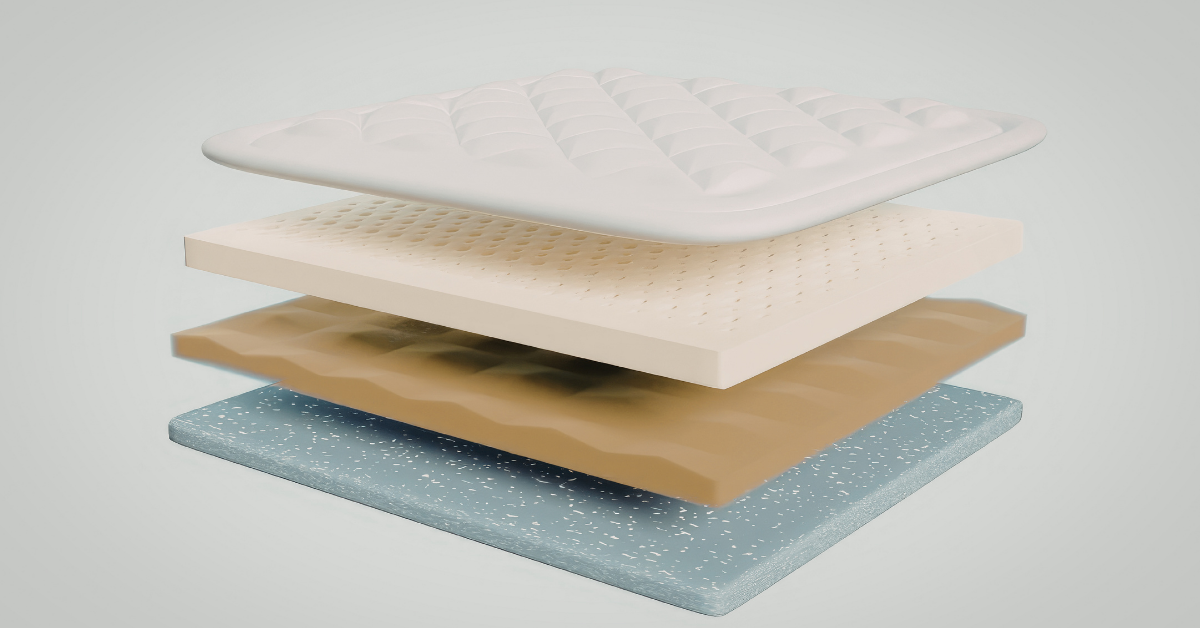
In an industry hoping for a rebound year, news of foam shortages and foam price hikes is an unwelcome development. But that’s the reality facing the mattress industry these days.
Peter Keith, senior research analyst for Piper Sandler, says that price increases are coming to U.S. mattress and upholstered furniture producers. The cause, he notes, is a March 12 fire at a large Lyondell chemical factory in Pasadena, Texas, that has “significantly hindered” U.S. production of polyol, a key chemical used in the production of foam for mattresses and upholstered furniture.
“This will likely result in price increases for U.S.-produced mattresses and furniture,” Keith wrote in an April 1 report. “Also, larger manufacturers will likely capitalize on buying power to take market share.”
Keith said the home furnishings industry is also dealing with the Iran war “that is pushing up oil prices, which, in turn, could cause incremental price inflation on other chemicals and delivery costs.”
He writes that key foam manufacturers “have been placed on allocation by big chemical suppliers. We are hearing some are only getting 50% of their normal allocation.”
In turn, foam manufacturers have placed mattress and furniture customers on allocation, he added. “While April is a seasonally slow demand period, there will likely be more noise and ripple effects as the industry moves into the Memorial Day selling period in May,” Keith wrote. “We suspect smaller manufacturers to potentially experience product shortages as larger manufacturers leverage buying power to get supply.”

He said he’s hearing of commodity foams seeing price increases of 20% to 25%. “This appears to be resulting in mattress price increases of 5% to 15% and (potentially) upholstered furniture price increases of 5% to 10%,” he said. These increases would be for U.S.-produced mattresses and upholstered furniture, he noted.
Keith said it is uncertain when the foam supply situation will improve.
“The timeline on bringing the Lyondell factory back to full production is murky,” he wrote. Some feedback indicates the factory will be offline for six to eight weeks, he said. But other reports indicate the factory is still running, at 20% to 30% capacity.