

When David Wolfe and Jamie Diamonstein created Leesa in 2014, they saw an opportunity to disrupt the way people bought mattresses by offering what they called “the best mattress available for under $1,000.” By their third year, they were doing over $100 million in sales.
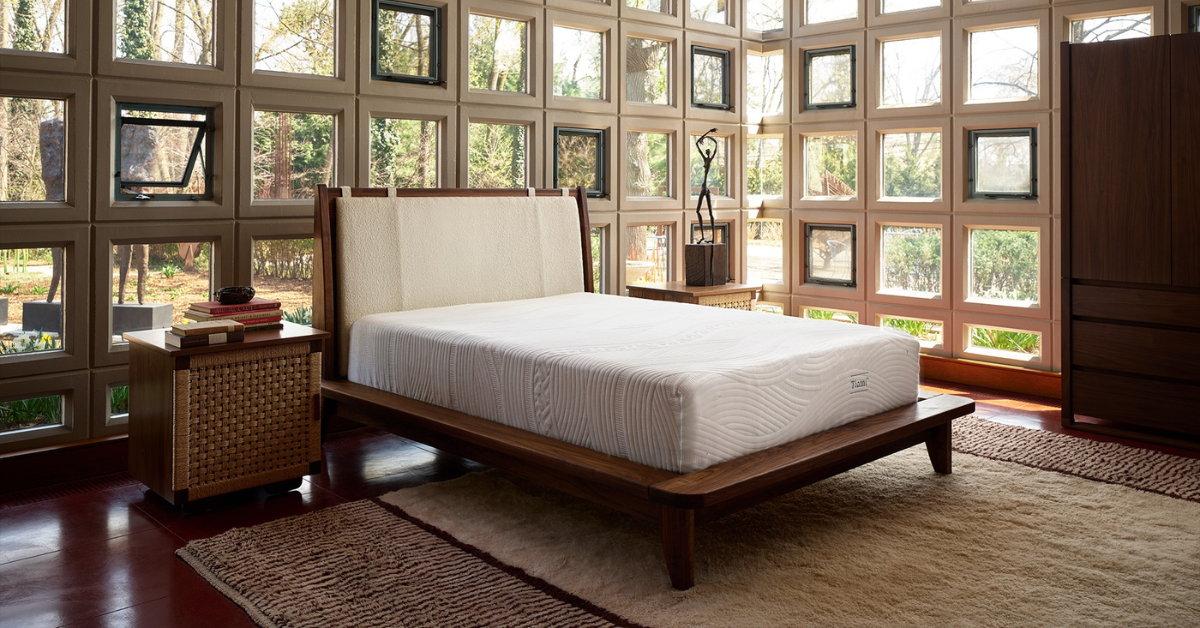
With Leesa sold to 3Z brands in 2023, Wolfe and Diamonstein have joined forces once more for an idea that counters their past goal for Leesa. Tiami, the duo’s new boxed-bed venture, is a luxury bedding company that addresses the problem of sagging mattresses.
“When we got out of business with Leesa, we were starting to think about the completely unchallenged area of the market — traditional luxury,” Wolfe explains. We realized that the No, 1 performance issue in mattresses, particularly traditional luxury, is the fact that you get body impressions relatively quickly because of the quilting. Jamie and I felt confident that by using modern materials, we could create a mattress that would perform as well as a traditional luxury mattress costing thousands of dollars more.”
Diamonstein grew up in the mattress industry and has extensive experience with building mattresses. He explains that in the Tiami hybrid mattress, the pocket coil system and proprietary foam are what help prevent sagging.
“I worked closely with Leggett Platt, and they have new foam technology called Energex, which is an amazing material that gives you a feel and performance that I’ve never seen in a bed before.”
The foam is an open-cell performance foam that responds to your body heat and weight. Its adaptive cushioning offers a gentle push-back to prevent excessive sinking and helps regulate temperature through airflow. Beneath the Energex foam is a layer of higher-density memory foam meant to relieve pressure points, promote spinal alignment and support muscle/joint recovery overnight.
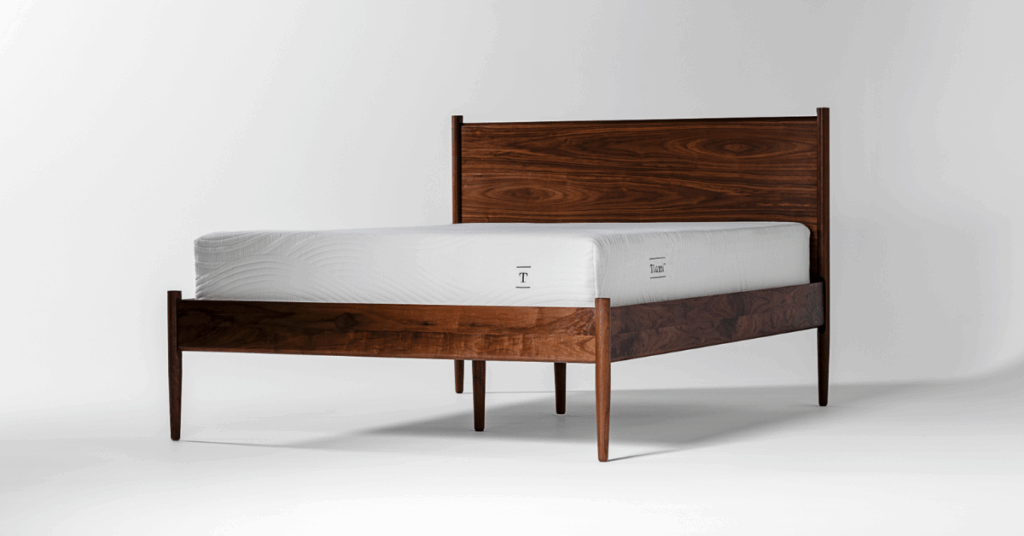
The heart of the mattress is a double-pocketed coil system — individually wrapped coils plus “Energex pods” for added contouring and comfort. The coils offer structural support while the foam pods help reduce pressure points and improve motion isolation. Tiami also uses reinforced coils around the perimeter to give strong edge support.
“The biggest complaint from luxury consumers is that, over time, whether it’s a king or a queen, if there’s a couple sleeping on the bed, there’s an indentation in the bed and there’s a ridge in the center,” Diamonstein says. “From all of the studies and testing I’ve done, that’s caused by all of the stuff that’s packed into the quilt of a bed. I’m a firm believer that you don’t have to have quilting to have a comfortable and supportive product.”

While Tiami is aiming for luxury customers, Wolfe says there are communication issues with customers about quality mattresses shipped in boxes.
“Compressing a mattress is like prewashing a pair of jeans — it makes it more ready to sleep on,” Wolfe says. “We don’t ship mattresses that have been sitting compressed in a box for a long time, but if we can send it out within two weeks of boxing it, then it’s actually going to be better broken in than if we delivered it flat. However, there still absolutely is a misconception.”
For Tiami, this possible misconception doesn’t seem to be an issue, as Wolfe says the company is off to a strong start. Back before the company launched, it showed the mattresses to Design Within Reach, which has 72 locations worldwide, and the retailer now carries Tiami’s hybrid mattress in 25 of its locations.
“People I’ve spoken with are switching from Saatva, Tempur-Pedic and all other big brands,” he says. “We’ve had almost no returns, and it has been an extraordinary product story so far.”